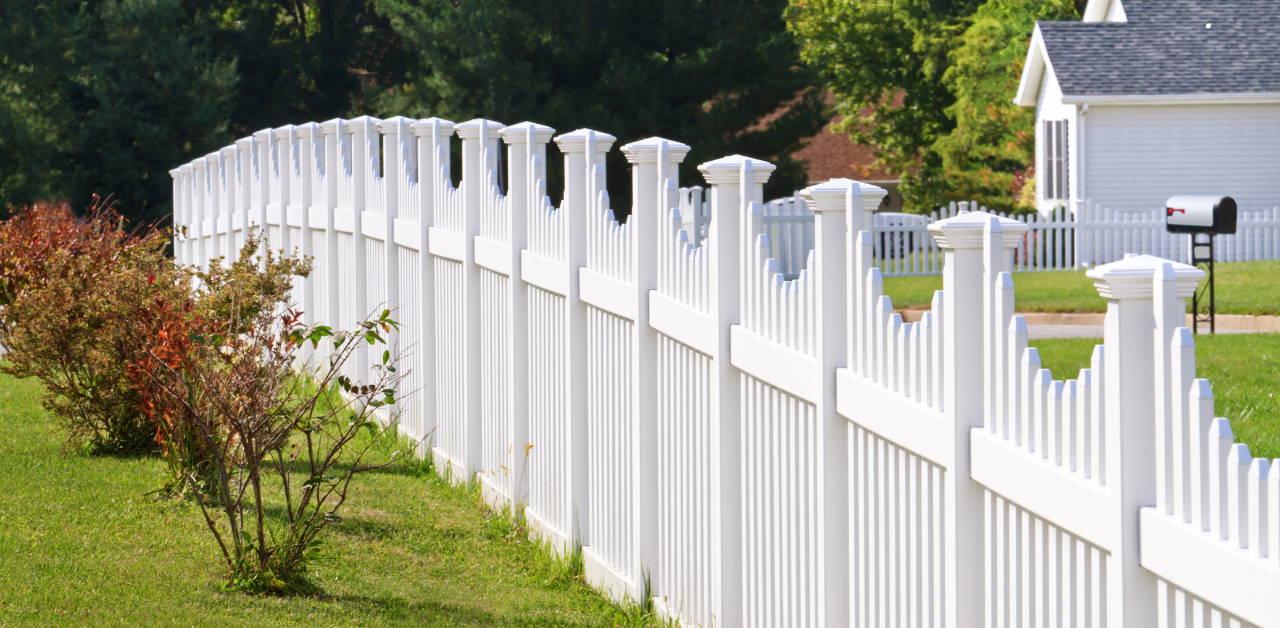
Fence Repair vs. Replacement: How to Decide What Your Property Needs
Not sure whether to repair or replace your fence? In this post, we’ll walk you through expert tips to help you choose the best option for your property.
Why Your Fence Matters
A fence does more than define the boundary of your property—it provides privacy, security, and enhances the overall look of your home. But like any outdoor structure, fences are constantly exposed to the elements. Over time, weather, age, accidents, and general wear and tear take their toll.
So what should you do when your fence starts showing signs of damage? Is a repair enough, or is it time for a full replacement?
Let’s break it down.
Step 1: Assess the Condition of Your Fence
Before you decide on repair or replacement, start with a thorough inspection. Walk the fence line and look for signs like:
- Leaning or unstable posts
- Cracked, warped, or missing panels
- Loose or rotten wood
- Rust on metal components
- Flaking paint or mold/mildew buildup
In wet climates, wood fences are prone to rot and mold, while metal fences can rust more quickly. If damage is limited to a few areas, a repair may be all you need. But if issues are widespread, replacement might be the more practical long-term solution.
When Fence Repairs Make Sense
If the damage is minimal and the structure is still sound, repairing the fence is often a smart, cost-effective decision. Examples include:
- Replacing a few broken boards
- Re-securing a loose post
- Power-washing and repainting
- Fixing a sagging or misaligned gate
These fixes can extend your fence’s life without breaking the bank.
When Replacement Is the Better Option
Sometimes, repairs are just a temporary patch. If your fence is over 15 years old and you’re seeing recurring issues—like shifting posts, leaning sections, or general instability—it may be more cost-effective to replace it entirely.
Upgrading gives you the chance to choose modern, low-maintenance materials like vinyl, composite, or powder-coated aluminum, which can offer better performance and curb appeal.
Cost vs. Long-Term Value
Repairing a fence is typically cheaper in the short term—often just a few hundred dollars. Replacing a fence, however, can cost several thousand dollars depending on size, design, and materials.
But if you’re constantly repairing the same fence every few months, the costs can quickly add up. In these cases, a new fence may save you time, money, and stress in the long run.
Match Fence Function to Your Needs
Think about what you need your fence to do:
- Is it mainly decorative?
- Does it keep pets or children safe?
- Do you need added privacy or security?
For example, if you’ve adopted a dog and need a taller, stronger fence, replacement may be your best option. Or if you’re looking to boost property value, a brand-new, well-designed fence can significantly improve your home’s curb appeal.
Consider Local Climate and Conditions
Climate plays a big role in fence longevity. Wet soil, frequent rain or snow, and moss growth can all wear down a fence faster. Wood, in particular, tends to deteriorate more quickly in moist environments.
Knowing how your climate affects fence materials can help you choose the best long-term solution.
Get Professional Advice
Still unsure whether to repair or replace? Reach out to a local fencing professional. A qualified contractor can:
- Inspect your fence for structural integrity
- Offer unbiased recommendations
- Help you choose the best materials for your climate and needs
- Ensure compliance with local building codes and property lines
Final Thoughts
There’s no one-size-fits-all answer. If your fence has minor issues and a solid structure, repair could be the way to go. But if the damage is widespread or the fence no longer meets your needs, replacement might be the smarter investment.
With guidance from a trusted fencing expert, you can make the best decision for your property—and your budget.
continue reading
Related Posts
How to Improve Home Flow Through Better Design An aesthetically