Storm Damage Restoration: Fast Help & Repair Guide
Storm damage restoration comes down to three jobs in the first 48 hours: make the house safe, stop more water getting in, and photograph everything before anyone cleans up. Then comes drying, then storm damage repair to the roof, siding and framing, and last the interior. Around Olympia, drying usually takes days and the rebuild takes weeks.
We are KD Design General Contractor, a general contractor working across Thurston, Mason, Pierce and Lewis counties. This guide covers the whole path, including the parts where you should call someone other than us.
What To Do in the First 24 Hours After Storm Damage
In the first 24 hours after storm damage, your only jobs are safety, stopping water and documenting the loss. Repairs come later.
- Check that the house is safe. Stay away from downed lines, sagging ceilings and water near outlets. If you smell gas, leave and call the utility from outside.
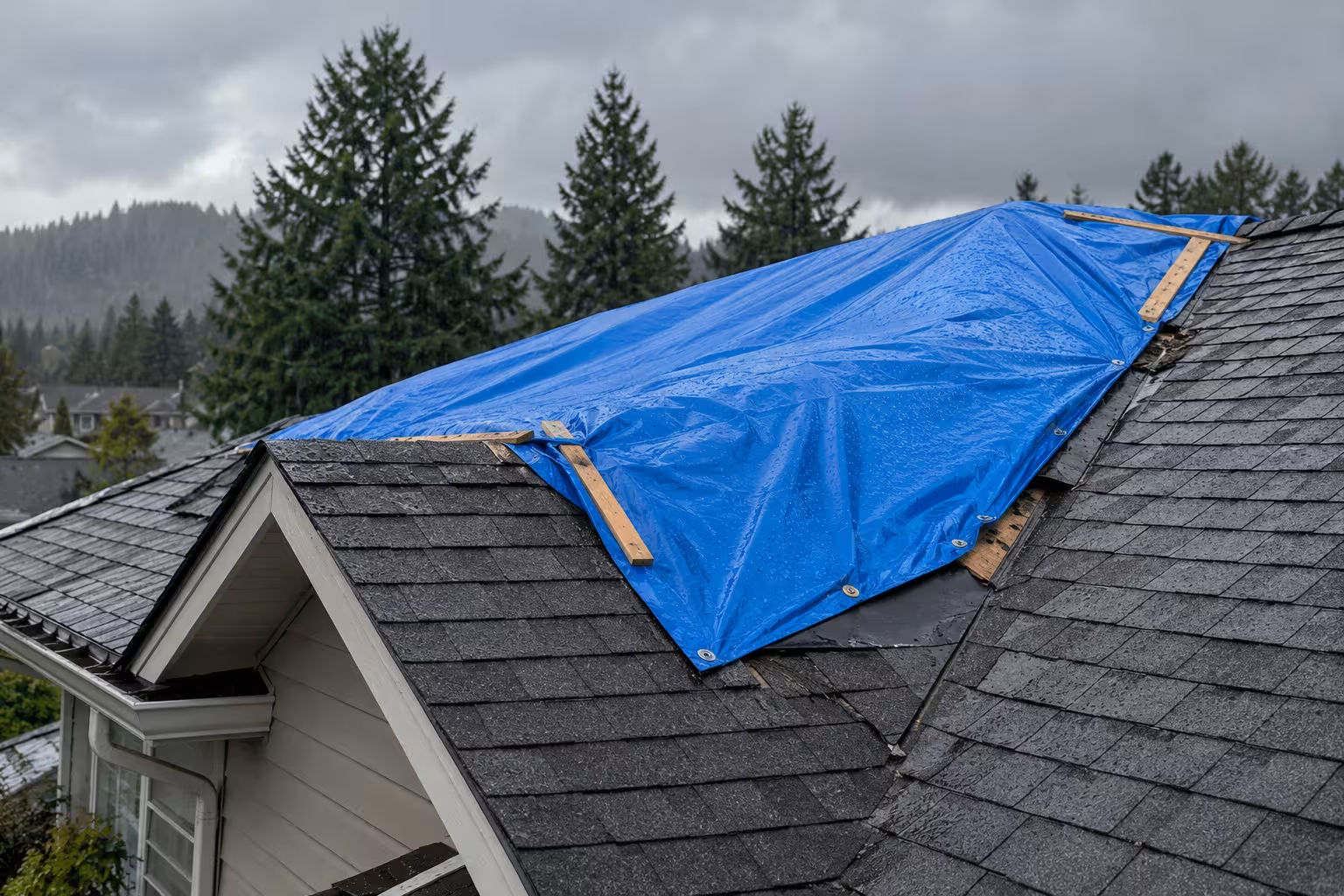
- Stop the water. Emergency tarping over a roof hole and board-up of broken windows keep rain out. Move furniture and boxes out of the drip path.
- Document before you touch anything. Take wide shots of each elevation of the house, then close-ups. Record one slow video walking room to room and say the date out loud.
- Keep every receipt. Tarps, plywood, fans, a motel night. Most policies expect you to prevent further loss and will reimburse reasonable costs.
- Call your insurer. Open the claim early and ask what they want documented.
Use this table to see who to call first for your kind of damage.
| What you see | Do today | Call first | DIY? |
|---|---|---|---|
| Missing shingles, lifted ridge cap | Photograph from the ground, set buckets under drips | Roofer or general contractor for a tarp | No roof work |
| Ceiling stain that keeps growing | Turn off power to that room, poke a small drain hole into a bucket | Contractor to find the entry point | Bucket only |
| Standing water on floors | Shut off power at the panel if safe to reach | Water mitigation company | No |
| Tree on the roof or through a wall | Get everyone out of those rooms | Insurer, then arborist, then contractor | No |
| Branches down in the yard, no contact with the house | Photograph, then clear small limbs | Nobody yet | Yes |
| Fence panels flat, posts still standing | Photograph, prop panels against posts | Contractor when convenient | Yes, short term |
| Deck railing loose or deck leaning | Keep people off it | Contractor | No |
Pro tip: If you are about to move it, dry it, rip it out or throw it away, photograph it first. Evidence you erase is money you may not get back.
How Pacific Northwest Storms Damage Homes Differently
Pacific Northwest storms damage homes mainly through high wind and long, soaking rain rather than hail. That changes what breaks and where the hidden damage sits.
Our big storms often arrive as an atmospheric river followed by a wind front. In a late-2025 windstorm, Puget Sound Energy reported its heaviest damage in Pierce and Thurston counties. After a few days of rain the ground turns soft, and a tall fir or big-leaf maple can come down roots and all when the wind picks up. That’s why most of the wind damage we see around Olympia starts with fallen trees. Water is the other risk. In December 2022, a record 18.4-foot high tide flooded parts of downtown Olympia.
The quieter problem is slow water. A few lifted shingles or a torn flashing seam can leak for a week of steady rain before a stain shows up. By then, water may have run down inside the wall cavity, soaked insulation and started on the sill plate. Fence posts and deck ledgers take the same beating. A deck that looked fine in October can go soft by March.
Pro tip: After any big blow, walk the house on the first dry afternoon. Look at the roof line from across the street, the base of every fence post and where the deck meets the wall. Small damage is cheap in November and expensive in April.
Storm Damage Restoration Process
The storm damage restoration process has five phases: assessment, mitigation, drying, exterior repair and interior rebuild. You can’t skip ahead, because each one depends on the one before it.
It starts with a damage assessment. A good crew uses moisture meters and thermal imaging to follow the water past the stain you can see, since it often travels further than it looks. Next they stabilize the house with tarps, water extraction and debris removal. Then the drying begins. They set up air movers and dehumidifiers and check the readings every day until the materials test dry.
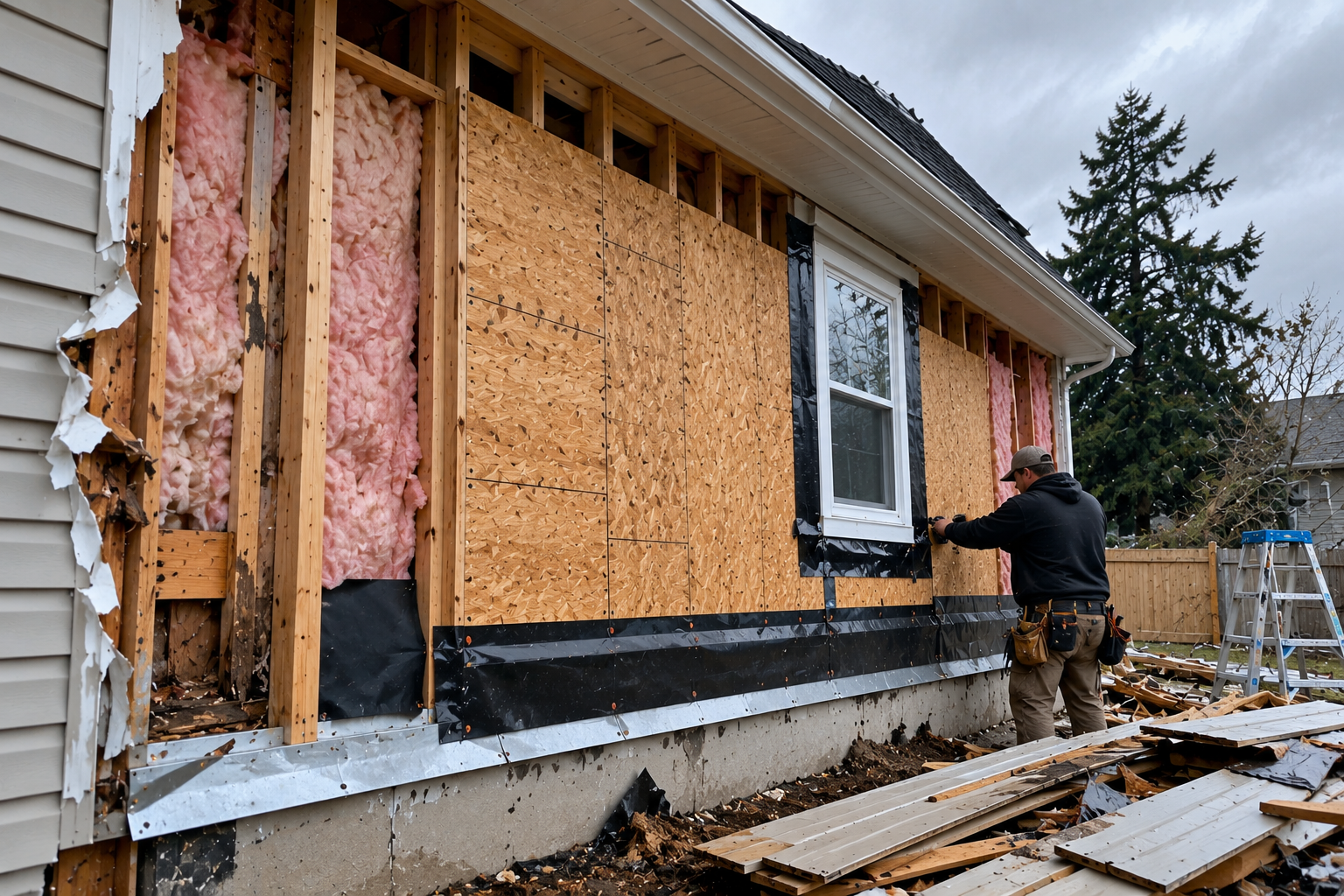
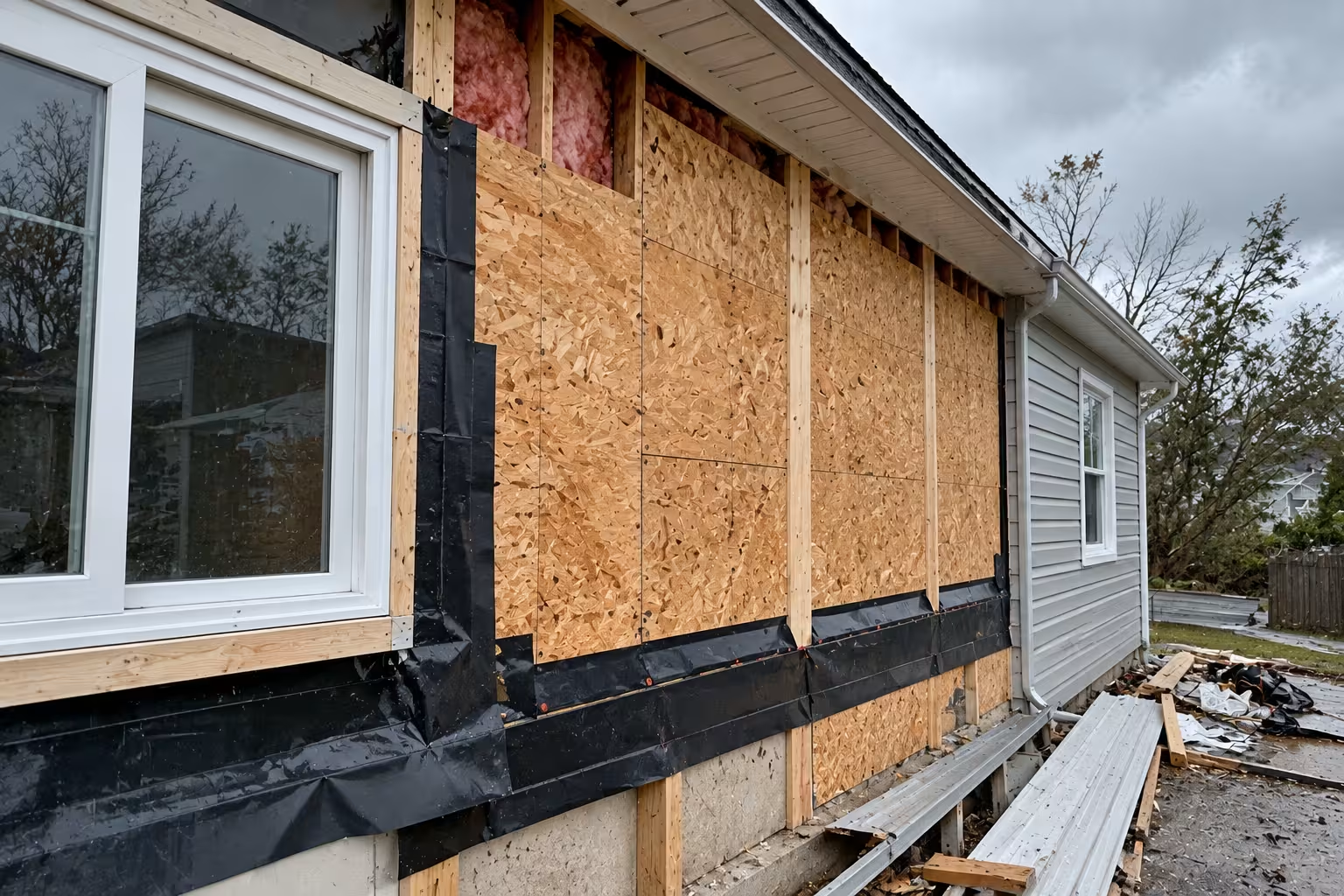
Here is the part most guides skip. Mitigation and rebuild are often two different companies. The drying crew leaves once the house is dry. A general contractor then repairs roof damage, siding and any structural damage, then closes walls and restores finishes to pre-loss condition.
| Phase | What happens | Typical length | Who |
|---|---|---|---|
| 1. Assessment | Photos, moisture mapping, scope notes, insurer notified | Day 1 to 2 | You, contractor, adjuster |
| 2. Mitigation | Tarping, board-up, water extraction, debris removal | Day 1 to 3 | Mitigation crew or contractor |
| 3. Drying | Air movers and dehumidifiers, daily readings, removal of wet drywall and insulation | 3 to 7 days | Mitigation crew |
| 4. Exterior repair | Roof, flashing, siding, windows, framing | 1 to 3 weeks after scope approval | General contractor |
| 5. Interior rebuild | Insulation, drywall, paint, flooring, trim, final inspection | 1 to 4 weeks | General contractor |
Lengths are typical ranges for wind and rain damage to one area of a home. Permits, material orders and claim approvals can stretch any phase.
Pro tip: Ask for two schedules in writing: one for drying and one for the rebuild. If a company gives you a single date for everything, ask what has to happen before the walls get closed.
Storm damage in Olympia, Lacey or Tacoma? KD Design General Contractors handles the rebuild, from roof and exterior repairs through drywall and paint. Call (253) 678-1382 or request a free estimate.
Storm Repairs You Can Do Yourself
You can safely handle small storm cleanup on the ground. Anything on a roof, anything structural and anything electrical belongs to a pro.
Go ahead and clear small branches that did not touch the house, clean gutters from a ladder if you are comfortable on one, prop fallen fence panels against their posts and wet-vac a small puddle from a window leak. Stay off the roof. Wet shingles are slick, storm-damaged decking can give way, and a fall costs far more than a tarp.
Some jobs need someone other than us. If water is standing on your floors, call a water mitigation company first. A tree resting on the house needs an arborist before any carpenter touches it, and wet wiring needs a licensed electrician. We come in after that for the framing, roofing and finish work.
Pro tip: Before you start DIY cleanup, finish your photos and video. Then keep a simple log: date, what you did, what it cost.
How Does a Storm Damage Insurance Claim Work in Washington
A storm damage insurance claim in Washington starts with protecting the home, then reporting the loss as soon as you can. Wind damage is normally a covered peril. Flooding usually is not.
The Washington Office of the Insurance Commissioner advises protecting your home and belongings from more damage first, then calling your insurer. It also notes that standard homeowner policies usually do not cover floods or earthquakes. That split matters here. Rain blown through a broken window is typically a wind claim. Water rising from a creek or a king tide is flood, which needs separate flood insurance.
Under Washington’s claims rules (WAC 284-30), insurers generally have to acknowledge your claim within 10 working days. An adjuster will then write a scope. Treat that first scope as a starting point. When walls open and hidden damage turns up, your contractor documents it and the insurer reviews a supplemental claim.
Not every loss is worth claiming. Use this as a rough guide.
| Situation | File a claim? | Why |
|---|---|---|
| Repair estimate is below your deductible | Usually no | You pay it all anyway, and a claim can still go on your record |
| Estimate is just above the deductible | Ask first | Ask your agent whether it is covered without opening a claim |
| Tree through the roof, water inside | Yes | Hidden damage often doubles the first estimate |
| Water came from rising water outside | Flood policy | Homeowner policies usually exclude flood |
| Several areas damaged, roof plus siding | Yes | Costs add up fast and supplements are likely |
After big storms, Thurston County Emergency Management has asked residents to report damage through its online form, even minor damage. Those reports help the county qualify for state and federal disaster aid, so fill one in if a form is open.
Pro tip: Never sign a check marked “final payment” or a release until every room has been opened, dried and inspected. Hidden damage found later is much harder to get paid.
How To Choose a Storm Damage Repair Contractor
Choose a storm damage repair contractor who is registered in Washington, local, and willing to put the full scope in writing before work starts.
After every major windstorm, storm chasers knock on doors with out-of-state plates and cash deals. Washington makes them easy to screen. Search any company on the L&I Verify a Contractor tool to see its registration, bond, insurance and any infractions. A licensed contractor (Washington calls it registered) will give you that number without hesitating. We cover more reasons in our guide to hiring a licensed general contractor in Olympia.
| Red flag | Why it matters |
|---|---|
| Wants a large cash deposit today | Storm scams take the deposit and disappear |
| Can’t find them on L&I Verify | No bond or insurance to fall back on |
| Promises the insurer will “cover everything” | Nobody knows that before the adjuster writes a scope |
| Wants to tear out walls before photos | Destroys the evidence your claim depends on |
| Vague about permits | Structural work without a permit can hurt you at resale |
Pro tip: Ask every contractor who pulls the permits and who talks to the adjuster. Clear answers to those two questions tell you more than any sales pitch.
Want a second opinion on an insurance scope? KD Design General Contractors will walk the damage with you and write a detailed repair estimate. Call (253) 678-1382.
Rebuilding vs. Upgrading: Better Solution After Storm Damage
Storm repairs are the cheapest time to upgrade, because the walls and roof are already open. Insurance pays to return the home to pre-loss condition, and you pay the difference for anything better.
Useful upgrades in our climate are modest ones. Think better underlayment and flashing when a roof section is replaced, fence posts set deeper with new fence or deck framing, larger gutters and downspouts, and insulation brought up to current code while the wall is open. Some policies include ordinance or law coverage that pays for code-required upgrades, so ask your agent.
Very heavy damage changes the rules. Under the International Existing Building Code, damage costing 50 percent or more of the building’s pre-damage value counts as substantial damage and can require the whole structure to meet current code. At that point, it becomes a design-build project with drawings and permits.
Pro tip: Get the like-for-like repair and the upgrade priced as separate line items. The adjuster sees a clean scope, and you see exactly what the upgrade costs.
Frequently Asked Questions
How long does storm damage restoration take?
Drying takes three to seven days for most wind and rain damage. Repairs usually take two to six more weeks, depending on permits, material orders and how fast the insurer approves the scope. A tree through the roof can take two to three months.
Does homeowners insurance cover storm damage in Washington?
Yes, wind and wind-driven rain are normally covered perils under a standard homeowner policy. Flood from rising water and earthquake usually are not, and need separate policies. Your deductible and policy limits still apply, so read the declarations page.
How soon does mold grow after storm water damage?
Mold can start within 24 to 48 hours on wet drywall, carpet pad and insulation. That is why the EPA recommends drying building materials inside that window. Materials that stayed wet longer usually need to be removed.
Should I make repairs before the adjuster comes?
Make temporary repairs, like tarping and board-up, right away and keep the receipts. Hold off on permanent repairs until the adjuster has inspected, unless your insurer tells you otherwise in writing.
Is a fallen tree covered by insurance?
A tree that falls on your house or garage is usually covered, including removal of the part resting on the structure. A tree that falls in the yard without hitting anything often is not, or has a small debris removal limit. Check your policy wording.
How much does storm damage repair cost?
Nobody can price storm damage honestly from photos. Cost depends on how far water travelled, how much material must come out, matching roofing or siding, and permit needs. A contractor should inspect, take moisture readings and then give you an itemized estimate.
Do I need a permit for storm repairs in Thurston County?
Structural repairs and most roof replacements need a permit. Small cosmetic repairs often do not. Rules differ between Olympia, Lacey, Tumwater and unincorporated Thurston County, so your contractor should confirm and pull the permits.
Get Your Home Back After Storm
Start with safety, stop the water, and photograph everything. Then get the house dry and hire a registered local contractor for the rebuild. KD Design General Contractors repairs storm-damaged roofs, siding, framing and interiors for homeowners in Olympia, Tacoma and the surrounding counties.
Call (253) 678-1382 or book a free estimate. We’ll walk the damage, explain what your adjuster will need, and give you a written scope.
continue reading
Related Posts

How to Improve Home Flow Through Better Design An aesthetically